

Developmental Disabilities & the Most Common Mental Health Conditions
What makes a community truly strong, resilient, and vibrant? Is it the bustling downtown, the excellent school system, or the local parks? While all of these are important, a deeper, more fundamental force is at work: the dedication of local non-profits and social service organizations. These groups are the essential infrastructure that strengthens communities from within, weaving a safety net that supports everyone.
Their work is not just about providing aid; it's about building a better future. By addressing critical needs in health, mental wellness, and social inclusion, these organizations are the silent heroes shaping the well-being of our neighborhoods. In this blog, we'll explore how these vital groups create a lasting community impact and why their work is so crucial to strengthening communities for years to come.
The Foundation of Health and Well-being
The true foundation of well-being is often built through the tireless work of social service organizations. They are on the front lines, addressing the root causes of health issues and providing support that complements traditional medical care.
One of the most profound non-profit benefits is their ability to deliver specialized care to those who need it most. Many organizations provide essential health and nursing services, such as in-home care, chronic disease management, and specialized support for individuals with diverse needs. According to a 2023 survey of nonprofits across the United States, 71% of organizations reported an increase in demand for their programs and services. This surge has resulted in longer waitlists and delays for those in need, highlighting the critical gap between available resources and community need. This rise highlights the critical role these organizations play in keeping our communities healthy and thriving.
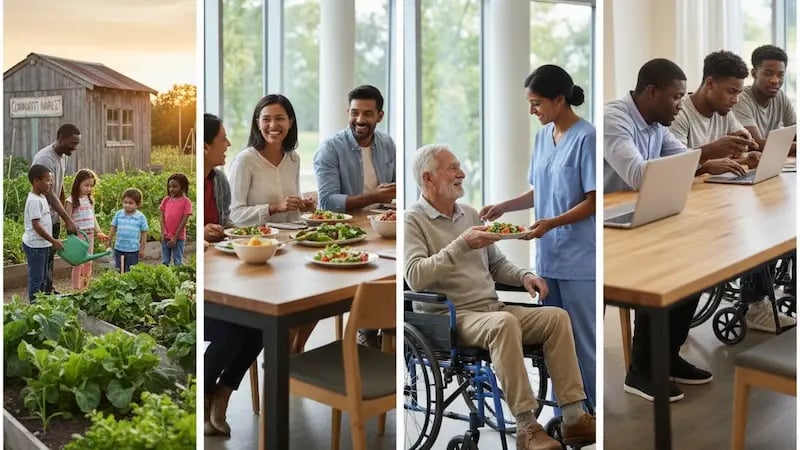
Beyond medical care, these groups are instrumental in ensuring our communities are nourished. They operate food banks, run community gardens, and offer educational programs that teach people how to prepare healthy meals. This focus on nutrition is a proactive measure that prevents health issues before they start.
Furthermore, social service organizations are at the forefront of the growing mental health crisis. With an increasing number of people seeking support, these local groups provide accessible counseling, support groups, and crisis intervention services. This work is invaluable, offering a lifeline to those struggling with mental health challenges and filling a gap that traditional healthcare systems often can't. They are essential to our collective well-being, providing the tools and support necessary for individuals to manage their mental health and lead fulfilling lives.
Building a More Inclusive and Understanding Society
The work of social services extends far beyond basic health and wellness. They are also powerful agents of inclusion, working to create a world where everyone has the opportunity to thrive, regardless of their background or challenges. These agencies also work towards building the individual up in the following ways.
Skill Building
One of the most important ways they achieve this is through skill-building and educational programs. Organizations offer everything from vocational training to independent living skills, helping people gain the confidence and capabilities to live full, independent lives. By providing these resources, they empower individuals to contribute meaningfully to their communities. A great example of this is a program that teaches skills like money management, public transit use, and cooking, all of which are essential for true independence.
Community Development
These non-profits also play a crucial role in fostering community development by building inclusive spaces. They create opportunities for social engagement, helping individuals connect with their neighbors and build relationships that reduce isolation and foster a sense of belonging. This is vital for a healthy society, as strong social connections are a key predictor of overall well-being.
Advocacy
Finally, social service organizations are powerful advocates. They work tirelessly to increase broader understanding and awareness of the challenges faced by specific populations, influencing policy and reducing stigma. This advocacy is key to long-term community development, as it ensures that our communities are supportive, genuinely accepting, and equitable for all.
The Ripple Effect: Beyond Direct Aid
The impact of social service organizations creates a powerful ripple effect that touches every part of our community. Their work goes beyond direct aid, strengthening our social and economic fabric in ways we often don't see.
First, these social service organizations are significant economic contributors. They are major employers and purchasers of local goods and services. The various forms of fundraising, grant funding, and donations involved in these organizations inject money directly into the local economy, creating a virtuous cycle of growth and support.
Second, they help alleviate the strain on public services. By providing preventative care and support, social service organizations reduce the burden on public hospitals, emergency response teams, and other government-run programs. This makes public systems more efficient and effective for everyone, ensuring that resources are available when they are most needed.
A Call to Action for Community Strength
A community's vitality directly reflects how it cares for its most vulnerable members. Local social service organizations provide essential health, mental wellness, and social support as the bedrock upon which our communities can build a brighter, more inclusive future. For over 45 years, CRi has been dedicated to these principles in our community. Our services, from community-based nursing and mental health programs to our focus on inclusive community living, directly align with the vital roles discussed in this blog.
By supporting social service organizations like CRi, we can each contribute to creating a more resilient, compassionate, and healthy community for all. You can explore how we're working to build inclusive communities and strengthen our community by visiting our services page at https://mycri.org/services.
Reach out today.