Beyond the Meds: A Day in the Life of a Residential Nurse
When you're searching for the ideal home for a loved one with developmental disabilities, it's easy to feel overwhelmed. There are many programs that offer loving, dedicated support, but how do you know which one truly prioritizes long-term well-being?
While a previous post discussed the importance of advocating for residential nursing, this guide is your next step. It's not just about finding a place; it's about finding the right place—one that offers proactive, preventative care and empowers your loved one to live the fullest life possible.
The key to this journey is asking the right questions. Your questions are not just for curiosity; they are a powerful tool for understanding a program's core philosophy and its commitment to safety and stability. For many individuals in residential care, health needs can be complex, and they may have difficulty communicating discomfort or pain. This makes expert clinical oversight a fundamental necessity, not a luxury. By asking smart, targeted questions, you can ensure that the program you choose provides the highest standard of care, helping to prevent costly hospitalizations and promoting a higher quality of life.
The Core Pillars of Quality Care: Why Your Questions Matter
Before diving into the specific questions, it's essential to understand the "why" behind them. You are not just a passive consumer in this process; you are an advocate. Every question you ask serves to reveal a program's true priorities and its underlying philosophy of care. For instance, a program's approach to nursing and medical support reveals its commitment to safety, stability, and the prevention of crises.
Consider the health profile of individuals in these settings. Statistics from the World Health Organization (WHO) reveal that people with developmental disabilities are at a higher risk for chronic health issues, from respiratory problems to seizure disorders. They may also face challenges with communication, making it difficult for them to articulate when something is wrong. Without a skilled nurse consistently monitoring their health, a simple issue—like an untreated ear infection or a minor cough—can quickly escalate into a more severe condition, leading to avoidable and often expensive medical complications. This is why a proactive, preventative approach to care is so vital; it keeps individuals in their familiar, supportive home environments and away from the hospital.
The consequences of a lack of clinical oversight are often severe. An increase in emergency room visits and hospital stays is not only financially burdensome but also deeply disruptive and frightening for the individual. A hospital is an unfamiliar, stressful environment, and for someone who thrives on routine and stability, it can be a traumatic experience. By asking the right questions, you are actively seeking a model of care that values proactive intervention over reactive response, thus protecting your loved one's well-being and peace of mind.
Key Questions to Ask About Nursing and Medical Oversight
Your inquiry should start with the foundation of any quality program: its medical and nursing staff. The answers you receive will give you a clear picture of how a program manages health and wellness on a day-to-day basis.
Q. What is the staff-to-resident ratio, and what qualifications do they hold?
A low staff-to-resident ratio can mean less personalized attention and a higher risk of overlooked needs. The qualifications of the staff are just as important. A program that employs licensed nurses, as emphasized by organizations like CRi, shows a commitment to having trained professionals who can provide a high level of clinical oversight. These professionals are not just administering medication but looking for subtle changes in a resident's health that a non-medical professional might miss.
Q. How are medical needs and chronic conditions managed?
Look for a program that takes a proactive, preventative approach. Instead of simply reacting to health issues as they arise, a strong program will have protocols for routine wellness checks, early detection, and consistent health monitoring. This proactive management is key to "supporting the whole person" and preventing minor issues from escalating. Ask for specific examples. How do they handle medication management? Do nurses monitor for potential side effects or drug interactions?
Q. What is the protocol for a medical emergency?
A clear, well-rehearsed emergency plan is non-negotiable. Ask about staff training for emergencies, how families are notified, and what role the on-site nursing staff plays in a crisis. This demonstrates the program's commitment to preventing hospitalization by addressing physical and mental health needs quickly and effectively. A primary goal of skilled nursing is to prevent a minor issue from becoming a medical crisis that requires an emergency room visit.
Q. How is care coordinated between different specialists?
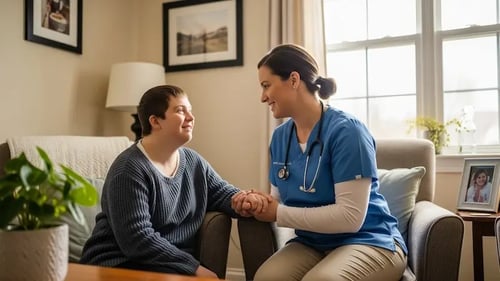
For individuals with complex health needs, coordination between multiple doctors, therapists, and specialists can be a logistical nightmare for families. A skilled nurse often serves as a central hub for this care coordination. They communicate with physicians, advocate for the individual's needs, and ensure everyone on the care team is working from the same page. This is crucial for a unified and effective care plan.
Q. What is the process for reviewing and adjusting a resident's care plan?
A static care plan is outdated. The needs of an individual with developmental disabilities can change over time. Inquire about the frequency of care plan reviews—monthly or quarterly—and how new goals or health changes are incorporated. This shows a commitment to helping individuals with the goal of "thriving in the community" through individualized support that evolves with them.
Beyond the Basics: Practical Logistics and Staffing
While the core questions focus on medical care, the logistical and human aspects of a program are equally important. These questions provide insight into the stability and continuity of the care provided.
Q. What is your approach to staff training and professional development?
A program that invests in its staff is investing in the individuals it serves. Ask about ongoing training, certifications, and professional development opportunities. This ensures that staff are always up-to-date on the latest best practices and are equipped to provide the highest standard of care. This also ties into the concept of a long-term investment in nursing staff, ensuring that the care your loved one receives is both expert and compassionate.
Q. Can we meet the nursing staff who will be directly involved in our loved one's care?
Don't underestimate the power of a personal connection. Meeting with the nursing team can give you a sense of their personality, compassion, and professional demeanor. This step allows you to feel confident in the people who will be providing daily support.
Empowering Your Journey to Peace of Mind
Choosing a residential care program is one of the most important decisions a family can make. By using this guide and asking these critical questions, you are taking control of the process and becoming a powerful advocate for your loved one. You are ensuring that their home is not just a place to live but a place where they can thrive.
Ultimately, this proactive approach leads to invaluable peace of mind. Knowing that a loved one is in a safe environment with expert clinical oversight allows you to step out of the full-time caregiver role and simply be a family member. It's a return on investment that goes beyond financial numbers and is measured in human terms: stability, safety, and a happier life.
Organizations that emphasize skilled nursing and private-duty nursing services, like CRi, are demonstrating a true commitment to this human-centered model. By prioritizing preventative care and comprehensive support, they are building environments where individuals with developmental disabilities can lead healthier, more independent lives. This kind of investment leads to a brighter future, where everyone has the opportunity to live a life of dignity, health, and fulfillment.