Facing the Unexpected: How Proactive Nursing Prevents Hospitalizations
Have you ever considered what truly defines exceptional care in a residential setting? Is it the skill of one nurse, a single caregiver's compassion, or a doctor's expertise? While all these elements are crucial, the reality is that the quality of care is most profoundly shaped by how these professionals work together. A siloed approach simply won't suffice for individuals with complex health needs. Strategic coordination and seamless communication among a diverse group of experts truly elevate residential nursing from good to great.
In modern healthcare, where needs are becoming more complex, particularly for individuals with intellectual and developmental disabilities (IDD), the concept of interdisciplinary collaboration is no longer a luxury—it's a necessity. This unified, team-based approach to care creates a more comprehensive and stable environment, ensuring every individual receives the holistic, person-centered support they deserve. At the heart of this team is a crucial figure: the residential nurse.
The Nurse: A Key Player of the Team
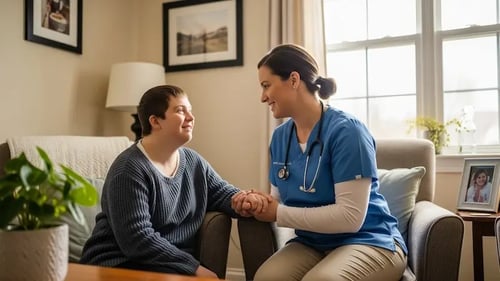
A nurse serves as the primary coordinator of care, a vital conduit for information and a constant presence dedicated to the individual’s health. This is a dynamic role that extends far beyond just administering medication. The nurse serves as the primary coordinator of care, a vital conduit for information and a constant presence dedicated to the individual's health.
Their responsibilities are both broad and deep. They assess needs, develop and adjust care plans, and are the first to notice subtle changes in health or behavior. This makes them the critical link between the person receiving care and the rest of their support network. They are in continuous communication with direct support professionals, therapists, physicians, and family members, ensuring that every decision is informed and every action is aligned with the same overall goal: to improve the individual's quality of life and promote stability.
A Unified Approach: The Components of an Interdisciplinary Team
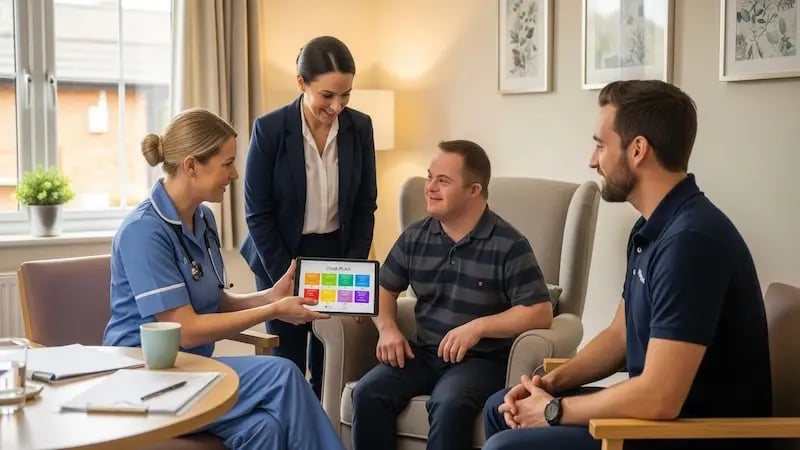
True interdisciplinary collaboration is more than having a group of experts in one place. It requires a shared philosophy built on respect for each discipline, transparent communication, and a unified vision for care. In residential nursing, this team includes various key players, each bringing unique insights to the table.
Caregivers and Direct Support Professionals:
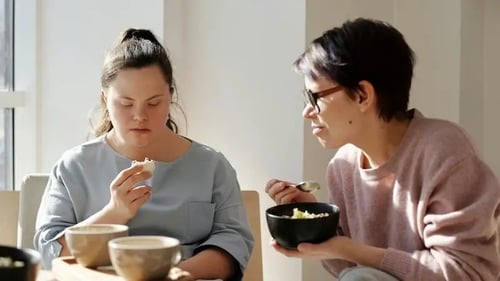
These are the front-line heroes who provide daily support. Their observations about a person's routine, mood, or physical condition are invaluable. They are the first to notice small changes that can be early indicators of a larger health issue, allowing the nurse to intervene proactively.
Therapists:
A comprehensive team often includes physical, occupational, and speech therapists. Their specialized expertise helps develop targeted plans that improve mobility, self-care skills, and communication, making a tangible difference in the individual's daily life.
Physicians and Specialists:
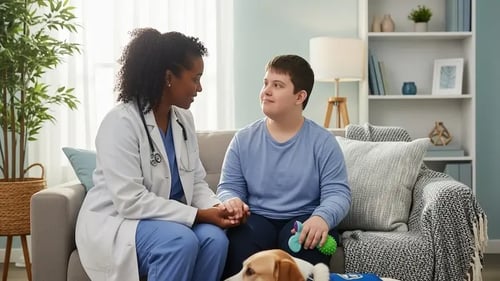
While not on-site every day, doctors and specialists provide crucial diagnostic, treatment, and medication oversight. The nurse facilitates a seamless flow of information to and from these professionals, ensuring that clinical recommendations are implemented correctly and effectively.
The Individual and Their Family:
This is arguably the most important component of the team. A truly person-centered approach involves the individual in every decision about their health and well-being. Their preferences, goals, and feedback shape the care plan. Likewise, family members provide essential context and support, acting as vital partners in the care journey. Care teams must empower individuals to participate actively in their healthcare, which is central to providing high-quality support.
Data consistently shows that this collaborative model leads to significantly better outcomes. Research indicates that when health professionals collaborate closely, there is a marked decrease in preventable medical errors. In fact, one study showed that integrating pharmacists into care teams dramatically cuts preventable adverse drug events by as much as 78%.
The Tangible Benefits of Team-Based Care
The benefits of a collaborative, team-based approach are both profound and far-reaching.
Improved Health Outcomes:
One of the most significant advantages is the ability to provide proactive, not reactive, care. A team that communicates effectively can identify potential health issues early, preventing minor concerns from escalating into major crises. Studies have shown that this approach can lead to a considerable reduction in hospitalizations. In one instance, an interdisciplinary care model for the elderly resulted in a shorter average hospital stay over a full day compared to a traditional care setting. This proactive focus on preventing hospitalization is key to maintaining an individual's health and stability.
Enhanced Quality of Life:
Beyond clinical metrics, a collaborative team provides holistic care that addresses physical needs and emotional, social, and psychological well-being. By combining different perspectives, the team can create a more complete picture of the individual, leading to a richer, more fulfilling life. Patients in environments prioritizing teamwork often report higher satisfaction levels, feeling more supported and understood.
Greater Stability and Consistency:
Consistency is paramount for individuals with complex needs. When multiple professionals are in sync, there is a built-in safety net. If one team member is unavailable, the others are equipped with the information and context to ensure care remains uninterrupted. This seamless support system promotes a sense of security and stability for the individual and their family.
The Role of Communication
At the core of all this collaboration is robust, real-time communication. This is where it is critical to rely on consistent care teams and residential nursing teams that know their patients intimately. Every member of the team has access to the same, up-to-date information. This eliminates confusion, prevents redundant services, and ensures a streamlined process from assessment to care delivery.
Furthermore, this communication extends beyond the professional team. It's about creating an open dialogue with the individual and their family, ensuring their voices are heard and valued. It's about building a sense of community and shared purpose around the individual's well-being.
Building a Unified Future in Residential Nursing
Ultimately, the future of residential nursing is not defined by one person's skill but by a collective commitment to excellence. It is a field built on the principle that by working together, we can provide a more comprehensive, compassionate, and effective level of care. The power of the team lies in its ability to see the whole person, addressing their needs from every angle and ensuring they don't just exist but truly thrive.
This commitment to a collaborative, dynamic approach is a hallmark of skilled nursing. It is the very principle that guides organizations like CRi, which provides comprehensive skilled nursing and private duty nursing to individuals in residential and community settings. By placing a nurse at the center of an interdisciplinary team, organizations like this are able to deliver proactive, high-quality care that leads to stability, prevents crises, and ensures a better quality of life for everyone involved.