
Developmental Disabilities & the Most Common Mental Health Conditions
Have you ever wondered if the sudden change in your loved one's mood, sleep patterns, or daily routine is more than just a bad day? For families and caregivers of individuals with developmental disabilities, interpreting these changes can be a constant challenge. When a person has difficulty communicating their needs verbally, their behavior becomes a vital language that can signal a deeper medical issue. This is where the specialized expertise of skilled nursing becomes not just a service, but a lifeline.
In group homes and residential settings, a skilled nurse is a highly trained professional who is a crucial interpreter. They go beyond standard care, using their clinical skills to identify health issues before they escalate into a crisis. Recognizing that a sudden increase in agitation isn't "bad behavior," but a sign of pain, illness, or medication side effects, is a unique and invaluable skill. They are the eyes and ears of a support team, using their knowledge to connect a change in demeanor to a potential physical problem, ensuring that the individual receives the right care at the right time.
The Critical Role of a Skilled Nurse in Group Homes
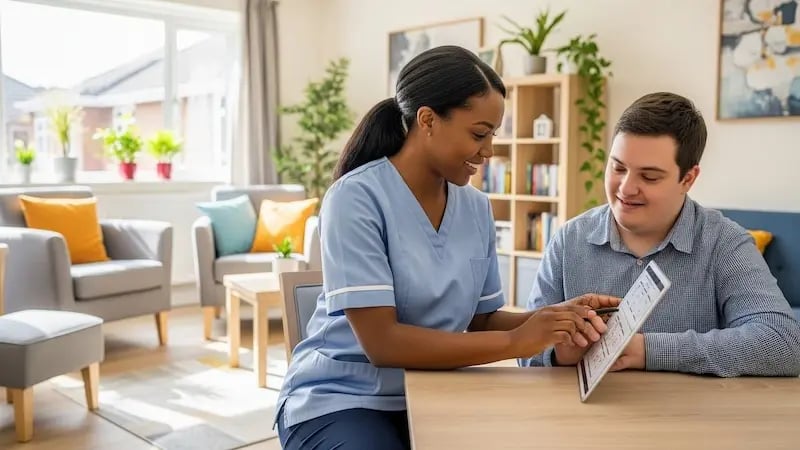
Skilled nursing is a level of specialized medical care provided by licensed professionals, such as Licensed Practical Nurses (LPNs) or Registered Nurses (RNs). Their core purpose in a group home setting is to manage complex health conditions, administer medication, and, most importantly, provide proactive, preventative care. Their presence is critical to ensuring the health and safety of individuals who may not be able to express their pain or discomfort. They understand that a person's inability to verbalize their needs doesn't mean they don't have them.
According to the World Health Organization, people with disabilities face a significantlyhigher risk of developing conditions like depression, asthma, and diabetes. This makes early detection and continuous monitoring an essential part of their care. A skilled nurse is trained to notice subtle changes that others might miss. They look at the whole picture—not just an individual's actions in a single moment, but their overall patterns of behavior, sleep, appetite, and mood over time. This holistic approach allows them to identify emerging health concerns before they become acute.
For example, a typically social and engaged person suddenly begins isolating themselves. To an untrained eye, this might seem like a shift in personality. To a skilled nurse, it's a red flag. It could be an early indicator of a developing infection, a side effect from a new medication, or even unexpressed pain from an injury. The nurse's expertise allows them to investigate the underlying medical cause, well before the situation escalates into an emergency. They are also responsible for carrying out doctors' orders, monitoring vital signs, and performing specific medical procedures, all of which contribute to a comprehensive health and wellness plan.
Translating Behavior: A Closer Look at the Signs
The language of behavior is rich with subtle cues. A skilled nurse is like a detective, piecing together clues to clearly understand an individual's health. They rely on their training and experience to connect a person's actions and physical state, ensuring no symptom goes unnoticed.
Agitation and Restlessness:
A sudden increase in agitation or restlessness in an otherwise calm individual is a frequent and often misunderstood sign. While it might be attributed to behavioral challenges, a skilled nurse must first check for a medical cause. Is the individual experiencing pain from a urinary tract infection (UTI)? Could they be constipated and unable to express their discomfort? The nurse's immediate assessment can lead to a quick resolution, avoiding a trip to the emergency room and reducing distress for the individual and their support team.
Changes in Sleep or Appetite:
An individual who consistently sleeps through the night may suddenly wake frequently, while another who loves their meals may start refusing food. These changes are significant and rarely random. A skilled nurse would investigate potential causes like sleep apnea, a medication change, or an issue with digestion. They understand that these seemingly minor changes can significantly impact an individual's health. By closely tracking these patterns, they can identify a potential issue and alert a physician before it becomes a major problem.
Vocalization and Self-Injurious Behavior:
Sometimes, a change in vocalization—such as an increase in groaning, crying, or other sounds—can directly express pain. Similarly, an increase in self-injurious behavior may not be a behavioral issue, but a physical response to pain that an individual cannot articulate. A skilled nurse's training enables them to see beyond the behavior and identify the underlying health concern that drives it. This is a crucial skill for ensuring that the person receives the right support and care.
Beyond the Immediate: A Long-Term Investment in Health
The value of skilled nursing extends far beyond these daily observations and interventions. It is a long-term investment in an individual's overall health and well-being. By preventing medical crises before they happen, skilled nurses significantly reduce the number of emergency room visits and hospitalizations. A study published in ScienceDaily found that having consistent primary care is associated with a lower probability of future emergencyroom visits for people with intellectual and developmental disabilities. This is more comfortable for the individual and a much more cost-effective approach to care. This proactive approach saves families from unnecessary stress and financial burden, while ensuring their loved one's needs are met in a familiar, comfortable environment.
Furthermore, skilled nurses are expert advocates. They are a vital link between the individual and the broader healthcare system. They ensure that medication regimens are effective without adverse side effects, communicate critical observations to physicians, and help coordinate care plans with other specialists. This comprehensive approach to care ensures that the individual's needs are consistently met. They are the professional voice for those who cannot speak for themselves, translating the language of behavior into a clinical narrative that doctors can use to make informed decisions.
What to Look For in a Skilled Nursing Provider
When seeking a provider for your loved one, it's important to look for a partner who prioritizes this person-centered approach. The right provider will be more than just a service—they'll be a trusted partner in your loved one's care journey.
Specific Expertise:
Look for a provider whose licensed nurses (LPNs or RNs) have specific training and experience working with individuals with developmental disabilities. This specialized expertise is key to providing adequate care. They should be knowledgeable about the unique health challenges and communication styles that may be present.
A Holistic Approach:
A great provider will treat the individual as a whole person, not just a diagnosis. They value collaboration with caregivers, family members, and other support staff to ensure a comprehensive and cohesive care plan. They understand that health is interconnected with a person's emotional and social well-being.
Proactive Care:
The best providers are proactive, not reactive. They are focused on preventative measures and early intervention, using their clinical skills to keep individuals healthy and thriving within their residential community. This preventative mindset is the hallmark of a high-quality, skilled nursing program.
CRi's mission aligns with this proactive philosophy, as we are committed to providing high-quality, skilled nursing services in Medicaid Waiver homes. By focusing on expert care, CRi's services are designed to prevent hospitalization and improve the overall quality of life for individuals with developmental disabilities. We offer a team of dedicated professionals who specialize in working with this population, ensuring that every individual's unspoken needs are heard and addressed. You can read more about their approach to skilled nursing and other services on their website.
The Peace of Mind that Comes with Expert Care
When behavior speaks louder than words, a skilled nurse understands the message. Their expertise in interpreting these unspoken cues is fundamental to ensuring individuals' health, safety, and well-being in group home settings. By choosing a provider that prioritizes this level of expert, person-centered care, families can have the peace of mind that their loved one is not just receiving care but truly thriving.
This expert support allows families and other caregivers to focus on the enriching aspects of their loved one's life, knowing that a team of dedicated professionals is managing their complex medical needs. The presence of a skilled nurse transforms a residential setting into a place of proper health and wellness, where every individual has a voice, even when they cannot speak.
At CRi, we are committed to improving the lives of those in our care. Reach out today to learn about the value that skilled nursing brings to our communities.